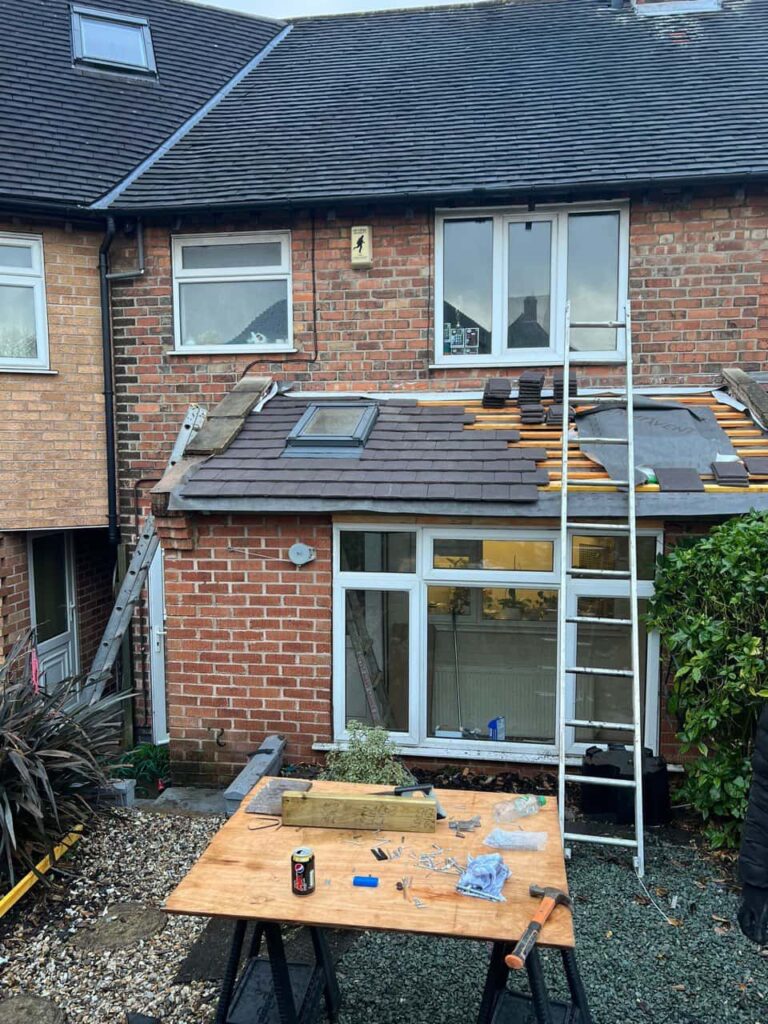
An ageing roof does not always need to be completely replaced to improve its weather resistance. Where the existing roof remains suitable for treatment, a professionally applied liquid roofing system can create a new continuous surface over the roof, helping protect it against rainwater and further weather exposure.
Liquid roofing is particularly useful because it forms around the shape and details of an existing roof rather than relying on numerous separate sections of covering. Once correctly prepared and applied, the system cures to form a seamless weatherproof membrane.
However, liquid roofing is not simply a coating that should be applied over any problematic surface. The condition of the existing roof, its substrate, drainage and any underlying defects need to be assessed first. For property owners in Crawley, West Sussex, Crawley Roofing Repairs can determine whether a liquid roof system is appropriate and ensure the existing surface is properly prepared before application.
What Is a Liquid Roof System?
Liquid roofing involves applying a specialist liquid membrane across a suitable roof surface. The material then cures to create a continuous protective layer.
Unlike roofing systems that rely heavily on individual sheets, tiles or overlapping components, a liquid membrane can form a largely seamless surface across the treated area.
This characteristic can make it particularly useful for roofs containing awkward shapes and detailed areas.
A professionally installed liquid roof system can provide:
- A continuous weatherproof surface
- Protection across suitable existing roofing materials
- Coverage around complex roof details
- A clean and consistent finish
- A practical solution for certain ageing roof surfaces
The exact system and preparation required depend on the individual roof.
Can Liquid Roofing Be Applied Over an Existing Roof?
In suitable circumstances, yes.
One of the main reasons liquid roofing is considered for refurbishment is that certain systems can be applied to appropriately prepared existing roof surfaces.
However, the word “suitable” is important.
The existing roof needs to be inspected before work begins. Applying a new membrane over a badly deteriorated, unstable or unsuitable surface would not address the underlying problem.
A professional assessment should establish whether the roof provides an appropriate base for the proposed system and whether repairs or preparation are required beforehand.
Why Roof Preparation Is So Important
The performance of a liquid roof system depends heavily on the surface beneath it.
A roof that contains loose material, contamination or unresolved defects cannot simply be covered and forgotten about.
Preparation may involve cleaning the surface and dealing with damaged or unsuitable areas before the liquid system is installed. Particular attention also needs to be given to roof details and transitions.
The objective is to provide a stable, properly prepared surface to which the roofing system can be applied correctly.
This preparation is one of the most important differences between professional liquid roofing and simply applying a coating to a tired roof.
Liquid Roofing Can Create a Seamless Membrane
Water often finds weaknesses around joints, seams and transitions within roofing systems.
A major characteristic of liquid roofing is its ability to form a continuous membrane across the treated surface.
Because the material is applied in liquid form, it can follow the shape of the roof and create coverage across areas that might otherwise require multiple separate roofing components.
This can be particularly useful on roofs containing several details or irregular shapes.
The finished system still depends on correct application, particularly around edges, penetrations and junctions, but the continuous nature of the membrane is one of its principal advantages.
Where Can Liquid Roofing Be Particularly Useful?
Liquid roofing can be suitable for various refurbishment situations, subject to the condition and construction of the existing roof.
It can be especially useful where the roof contains:
- Complex detailing
- Numerous junctions
- Awkward shapes
- Roof penetrations
- Difficult transitions
- An ageing but suitable existing surface
Rather than attempting to force rigid materials around every detail, a liquid-applied system can follow the existing contours.
This flexibility can make it a useful option when conventional roofing materials would involve numerous complicated interfaces.
Can It Help With an Older Flat Roof?
Liquid roofing is often associated with flat and low-slope roof applications.
An older flat roof may gradually show signs of weathering, surface deterioration or previous repair work. If the underlying construction remains suitable, a liquid roofing system may provide an effective way to refurbish the weatherproof surface.
However, the existing roof should never be judged purely by how it looks from above.
If there are significant underlying problems, these need to be understood before a new surface is installed.
The aim should be to improve a suitable roof, not simply conceal deterioration.
Existing Leaks Need to Be Investigated First
If a roof is already leaking, identifying the cause should be part of the assessment before applying a liquid system.
Water ingress can result from several different issues, including defects around junctions, drainage points or deteriorated sections of the existing covering.
Simply coating the visible area without understanding the problem could leave underlying defects unresolved.
Professional roof refurbishment should therefore begin with investigation.
Once the condition of the roof is understood, appropriate repairs and preparation can be completed before the new weatherproof membrane is applied.
Drainage Still Matters With a New Surface
A weatherproof membrane is only one part of effective roof performance.
Rainwater still needs to move towards the intended drainage points rather than remaining unnecessarily on the roof.
Existing falls, outlets and drainage arrangements should therefore be considered when assessing whether a roof is suitable for refurbishment.
A new surface should work with the roof’s drainage rather than being treated as a substitute for correcting significant water-management problems.
This is why an inspection of the complete roof is important before installation begins.
Roof Edges and Details Need Careful Treatment
Large open sections of a roof can appear relatively straightforward. It is often the details that require the greatest care.
Liquid roofing needs to integrate correctly around features such as:
- Roof edges
- Upstands
- Outlets
- Penetrations
- Junctions with adjoining surfaces
- Other changes in roof construction
These are important areas because they can be exposed to concentrated water movement or complicated transitions.
Professional application ensures that the system is treated as a complete weatherproofing solution rather than simply covering the easiest central areas.
Can Liquid Roofing Cover Previous Repairs?
A roof containing previous repairs may still be suitable for a liquid roofing system, but those areas need to be assessed.
Multiple patches can sometimes indicate that the roof has experienced recurring problems. The question is whether those defects have been successfully resolved and whether the remaining surface provides a suitable base for refurbishment.
Where necessary, previous repair areas may require additional preparation.
A liquid membrane should create a consistent new surface over a sound roof rather than simply hide a collection of unresolved weaknesses.
When Is Liquid Roofing Not the Right Answer?
Liquid roofing is useful, but it is not automatically appropriate for every ageing or leaking roof.
If inspection reveals substantial deterioration beneath the existing covering or other significant problems with the roofing system, more extensive work may be required.
This is an important distinction.
The decision should not begin with, “Can we coat this roof?” It should begin with, “What condition is this roof actually in?”
Only once that question has been answered can the most suitable repair or refurbishment method be chosen.
Why Correct Application Matters
Liquid roofing systems need to be applied in accordance with the requirements of the particular system and roof.
Surface preparation, detailing and consistent application all influence the finished membrane.
Poor workmanship can undermine the advantages that make liquid roofing useful in the first place.
Professional installation ensures that attention is given to the complete roof, including the less obvious areas around edges, junctions and penetrations.
Liquid Roofing Can Refresh the Appearance of a Tired Roof
Although weatherproofing is the primary consideration, a new liquid membrane can also provide a much cleaner and more consistent roof surface.
Older roofs may contain visible weathering, repairs and mismatched sections that make them appear particularly tired.
Creating a continuous new surface can give the roof a more uniform finish while improving its protection.
Appearance should never take priority over roof condition, but it can be a useful secondary benefit of a properly completed refurbishment.
Repair, Liquid Roofing or Replacement?
Choosing between a conventional repair, liquid roofing and more extensive roof replacement depends on what the inspection reveals.
A localised repair may be appropriate when the defect is limited to one small section.
Liquid roofing may be worth considering where the existing roof remains suitable but would benefit from a renewed weatherproof surface.
More extensive replacement may be appropriate where deterioration affects the roof too significantly for refurbishment to provide the right solution.
Professional assessment helps avoid both unnecessary work and unsuitable short-term solutions.
Why Liquid Roofing Can Be Valuable for Roof Refurbishment
Where conditions are suitable, liquid roofing provides a way to renew the protective surface of an existing roof without automatically changing the complete roofing arrangement.
Its ability to form around details and create a continuous membrane makes it particularly useful for certain refurbishment projects.
The greatest value comes when the process is approached correctly:
- Assess the existing roof.
- Identify and address defects.
- Prepare the substrate appropriately.
- Treat roof details carefully.
- Apply the liquid roofing system correctly.
- Ensure the completed membrane works with the existing drainage arrangement.
Following this process gives the new surface the appropriate foundation for reliable performance.
Professional Liquid Roofing in Crawley
At Crawley Roofing Repairs, we provide professional roofing services throughout Crawley, West Sussex, including the assessment and refurbishment of existing roof surfaces.
Where liquid roofing is being considered, we first look at the condition of the roof and any existing defects. This helps determine whether a liquid-applied system is suitable and what preparation is required before installation.
The aim is not simply to cover an ageing roof. It is to create an appropriate new weatherproof surface over a properly assessed and prepared roofing system.
Conclusion
A liquid roof system can give a suitable existing roof a new weatherproof surface. Its liquid application allows it to form a continuous membrane across the roof and around many of the detailed areas where conventional coverings can involve multiple joints and transitions.
However, the effectiveness of the finished system depends heavily on what happens beforehand. Existing leaks need investigation, damaged areas must be addressed, drainage should be considered and the surface needs to be properly prepared.
For property owners in Crawley, West Sussex, Crawley Roofing Repairs can assess an existing roof and determine whether liquid roofing provides an appropriate refurbishment solution. If your roof is showing signs of deterioration and you would like to understand whether a new liquid-applied weatherproof surface could be suitable, contact our team to arrange a professional assessment.
Call us on: 01293 221 999
Click here to find out more about Crawley Roofing Repairs
Click here to complete our contact form and see how we can help with your roofing needs.