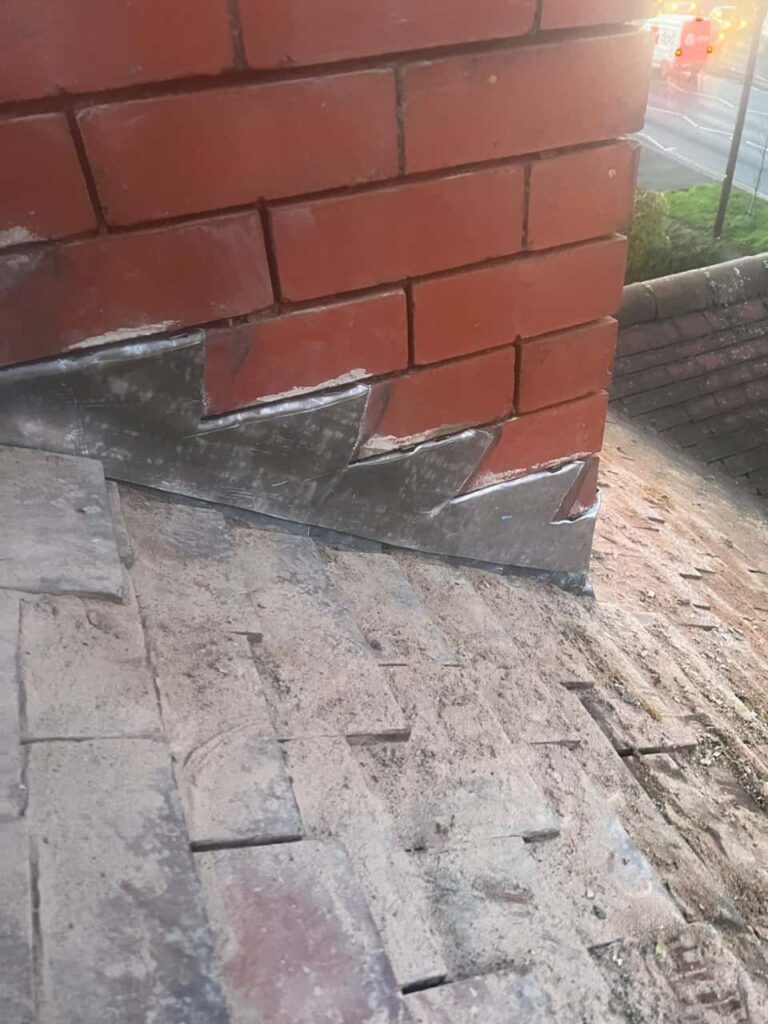
Slate roofs are known for their durability and long lifespan, making them a popular choice for many properties in Crawley, West Sussex. However, while the slates themselves can last for decades, the fixings that hold them in place may deteriorate over time. Identifying failing slate roof fixings early is essential to maintaining the integrity of your roof and preventing more serious issues.
At Crawley Roofing Repairs, we regularly assess and repair slate roofs, helping homeowners detect problems before they escalate. Understanding the signs of failing fixings can help you take timely action.
What Are Slate Roof Fixings?
Slate fixings are the nails or hooks used to secure each slate to the roof structure. These components are typically hidden beneath the slates, making them difficult to inspect without experience.
Why Fixings Matter
- They hold each slate securely in place
- They ensure the roof remains weather-resistant
- They support the overall structure of the roofing system
When fixings begin to fail, the stability of the entire roof can be affected.
Why Slate Fixings Fail Over Time
Even high-quality fixings are subject to wear and environmental exposure.
Common Causes
- Corrosion due to prolonged exposure to moisture
- Natural ageing of materials
- Movement within the roof structure
- Effects of changing weather conditions
As fixings weaken, they lose their ability to hold slates securely.
Key Signs of Failing Slate Roof Fixings
Although fixings are not visible, there are several warning signs that indicate potential problems.
1. Slipped or Missing Slates
One of the most obvious signs is slates that have moved out of position.
- Slates appearing uneven or misaligned
- Gaps visible on the roof surface
- Missing slates found on the ground
This often indicates that the fixings are no longer holding the slates in place.
2. Frequent Need for Repairs
If individual slates need to be repeatedly refixed, it may suggest a wider issue.
- Ongoing movement across different areas
- Repairs that do not provide a lasting solution
- Increasing number of affected slates
This can point to widespread fixing failure rather than isolated damage.
3. Rattling Noises in Wind
Loose slates may move slightly during windy conditions.
- Audible movement or rattling sounds
- Slates shifting under pressure
- Increased risk of slates becoming dislodged
This is often an early indicator of weakened fixings.
4. Visible Nail Fatigue (Nail Sickness)
Over time, metal fixings can corrode and weaken, a condition often referred to as nail fatigue.
- Slates slipping without obvious breakage
- Widespread loosening across the roof
- Signs of ageing throughout the roofing system
This issue typically affects older slate roofs and requires professional attention.
5. Internal Signs of Water Ingress
Failing fixings can allow slates to move, creating pathways for water.
- Damp patches on ceilings or walls
- Moisture in the loft space
- Reduced effectiveness of insulation
These signs suggest that the roof is no longer fully watertight.
The Risks of Ignoring Failing Fixings
Delaying repairs can lead to more extensive problems.
Potential Consequences
- Increased risk of further slate loss
- Water damage to internal structures
- Weakening of the roof framework
- Greater disruption during adverse weather
Addressing the issue early helps prevent these complications.
Professional Inspection and Repair
Because slate fixings are not easily visible, a professional inspection is the most reliable way to assess their condition.
At Crawley Roofing Repairs, we provide thorough roof assessments across Crawley, West Sussex. Our approach ensures that both the visible slates and the underlying fixings are carefully evaluated, allowing for accurate diagnosis and effective repair solutions.
Maintaining the Longevity of a Slate Roof
Regular maintenance plays a key role in preserving the condition of a slate roof.
Preventative Steps
- Periodic roof inspections
- Prompt repair of slipped or damaged slates
- Monitoring for signs of ageing or movement
Taking a proactive approach helps extend the lifespan of your roof.
Conclusion
Failing slate roof fixings can compromise the stability and performance of your roof, even if the slates themselves appear in good condition. Recognising the signs—such as slipped slates, repeated repairs, and internal damp—allows you to take action before more serious issues develop.
For homeowners in Crawley, West Sussex, professional assessment is essential to accurately identify and resolve fixing problems. If you suspect your slate roof may be experiencing issues, Crawley Roofing Repairs can provide expert guidance and reliable repairs to ensure your roof remains secure and effective for years to come.
Call us on: 01293 221 999
Click here to find out more about Crawley Roofing Repairs
Click here to complete our contact form and see how we can help with your roofing needs.