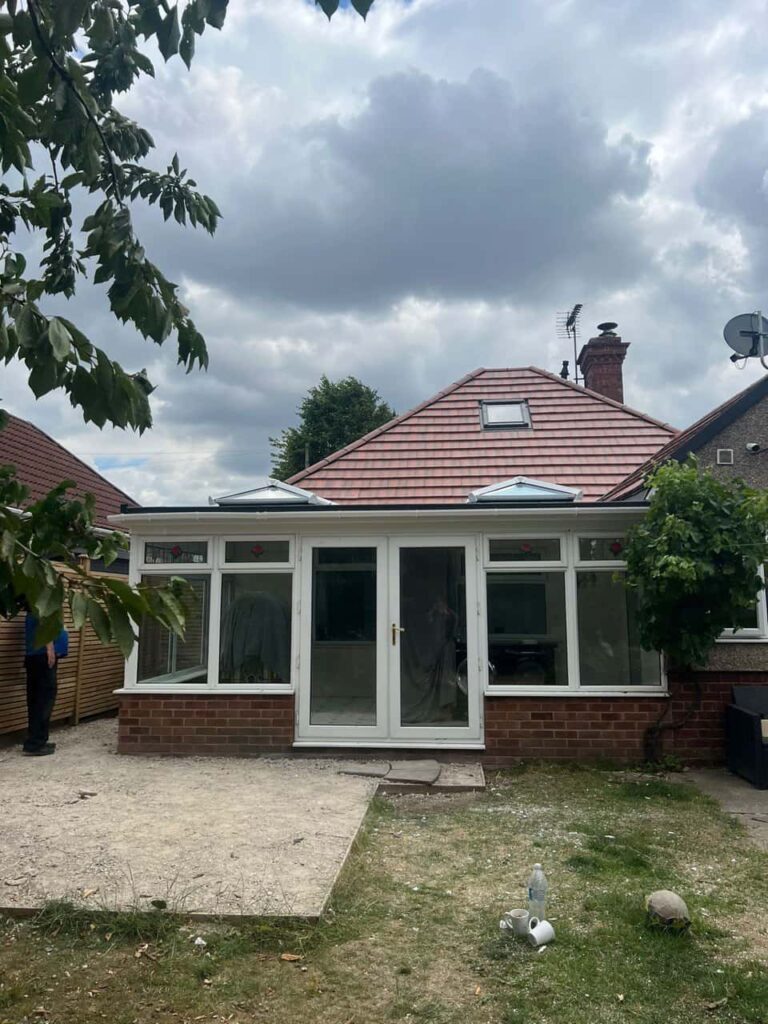
A roof is designed to protect a property from rain, wind and changing weather conditions. However, its ability to remain watertight depends on more than the condition of the main roofing surface. Areas where pipes, vents, chimneys and other features pass through the roof require carefully fitted seals and flashing to prevent water from entering.
These areas are known as roof penetrations, and they can become vulnerable points when their protective seals deteriorate or are installed incorrectly. Even a small gap around a roof penetration can allow water to enter repeatedly, potentially causing damage to the underlying structure and interior of a property.
For homeowners in Crawley, West Sussex, understanding how poorly sealed roof penetrations cause persistent leaks can help identify roofing problems before they become more extensive.
What Are Roof Penetrations and Why Do They Need Sealing?
Roof penetrations are openings or junctions where something passes through the roofing surface. They are necessary for many properties, but each opening interrupts the otherwise continuous waterproof covering.
Common examples include:
- Soil and plumbing vent pipes.
- Chimneys and flues.
- Roof ventilation outlets.
- Satellite and aerial mounting points.
- Rooflights and other roof openings.
- Extraction and ventilation ducts.
Each penetration requires suitable detailing to create a watertight connection between the roofing material and the feature passing through it. This may involve flashing, collars, seals or specialised components designed for the particular roof covering.
If these details are poorly fitted, damaged or allowed to deteriorate, rainwater can gradually find its way beneath the roofing materials.
1. Deteriorating Seals Allow Water to Enter
One of the most common causes of leaks around roof penetrations is the deterioration of sealing materials.
Sealants and rubber collars can become brittle, cracked or weakened after prolonged exposure to sunlight, temperature changes and weather conditions. As they lose their flexibility, small gaps may develop around pipes and other roof features.
Water can then pass through these openings, particularly during prolonged rainfall or when wind drives rain against the roof.
Although applying additional sealant may appear to resolve the problem, it is important to establish whether the original flashing or collar has also been damaged. A lasting repair should address the underlying defect rather than simply cover the visible gap.
2. Incorrectly Installed Flashing Creates Weak Points
Flashing is used to direct water away from vulnerable roof junctions. Around chimneys, pipes and other penetrations, it must be properly positioned and integrated with the surrounding roofing materials.
If flashing is incorrectly installed, water may collect behind it or enter through poorly formed joints.
Common installation problems include:
- Inadequate overlap with surrounding roof coverings.
- Gaps between flashing and adjoining surfaces.
- Incorrectly positioned flashing sections.
- Poorly sealed junctions.
- Damaged or unsuitable flashing materials.
Even when the main roof covering is in good condition, defective flashing can create a route for persistent water penetration.
3. Roof Movement Can Weaken Previously Sound Seals
Roofs experience natural movement as temperatures change throughout the year. Roofing materials expand and contract, while pipes and other penetrations may respond differently to temperature changes.
Over time, this movement can place stress on the seals connecting different materials.
A seal that was originally watertight may eventually separate, allowing small gaps to form around the penetration. This is particularly relevant where rigid materials meet flexible roofing components.
Regular inspections help identify early signs of separation, cracking or displacement before water begins entering the property.
4. Water Can Travel Beneath the Roofing Materials
One reason leaks around roof penetrations can be difficult to locate is that water does not always appear directly beneath the original opening.
Once rainwater enters the roofing system, it can travel along battens, underlay and other structural components before becoming visible inside the property.
This means a damp patch on a bedroom ceiling may be some distance from the actual source of the leak.
Common internal warning signs include:
- Brown or yellow ceiling stains.
- Damp patches around upper walls.
- Peeling paint or blistering plaster.
- Musty smells in loft spaces.
- Damp insulation or visible moisture on roof timbers.
Identifying the original entry point is essential. Repairing only the area where water becomes visible may leave the actual defect unresolved.
5. Persistent Moisture Can Damage the Roof Structure
When poorly sealed penetrations allow water to enter repeatedly, the consequences can extend beyond internal staining.
Prolonged moisture exposure can affect roof timbers, battens, insulation and other underlying components. Timber may begin to deteriorate, while damp insulation can lose some of its effectiveness.
If the problem remains untreated, moisture may also contribute to mould growth and damage to internal finishes.
This is why even relatively small leaks around pipes, chimneys and ventilation outlets should receive attention. Early repairs can help prevent a localised defect from developing into a wider roofing problem.
6. Blocked Drainage Can Make Existing Leaks Worse
Although roof penetrations are not drainage outlets, their condition can be affected by the way water moves across the roof.
Blocked gutters, obstructed drainage channels and poor water flow can allow rainwater to remain around vulnerable roof junctions for longer than intended.
Where seals or flashing are already weakened, prolonged water exposure can increase the likelihood of penetration.
Keeping gutters and relevant drainage points clear is therefore an important part of general roof maintenance, alongside checking the condition of penetrations and their surrounding seals.
Why Professional Roof Leak Repairs Matter
Finding the exact source of a persistent roof leak requires more than identifying where water appears inside the property. The surrounding roof covering, flashing, seals and underlying materials all need to be considered.
Crawley Roofing Repairs provides professional roofing assistance in Crawley, West Sussex, helping homeowners identify and resolve problems affecting roof penetrations and other vulnerable areas.
Depending on the cause, suitable repairs may involve replacing deteriorated collars, correcting defective flashing, renewing damaged seals or repairing affected roofing materials. A thorough assessment helps ensure that the repair addresses the source of the leak rather than simply treating its visible symptoms.
Conclusion
Poorly sealed roof penetrations can create small openings that allow rainwater to enter a property repeatedly. Deteriorating seals, incorrectly fitted flashing and natural roof movement can all contribute to leaks that gradually affect the underlying structure and internal areas.
Regular inspections and prompt repairs help maintain effective waterproofing around pipes, chimneys, vents and other roof features.
If you have noticed recurring damp patches, ceiling stains or signs of water ingress around your roof, contact Crawley Roofing Repairs to arrange professional roofing assistance in Crawley, West Sussex. Identifying and addressing the problem early can help protect your property from further water damage.
Call us on: 01293 221 999
Click here to find out more about Crawley Roofing Repairs
Click here to complete our contact form and see how we can help with your roofing needs.